


🏄 Surfing & Wind Sports
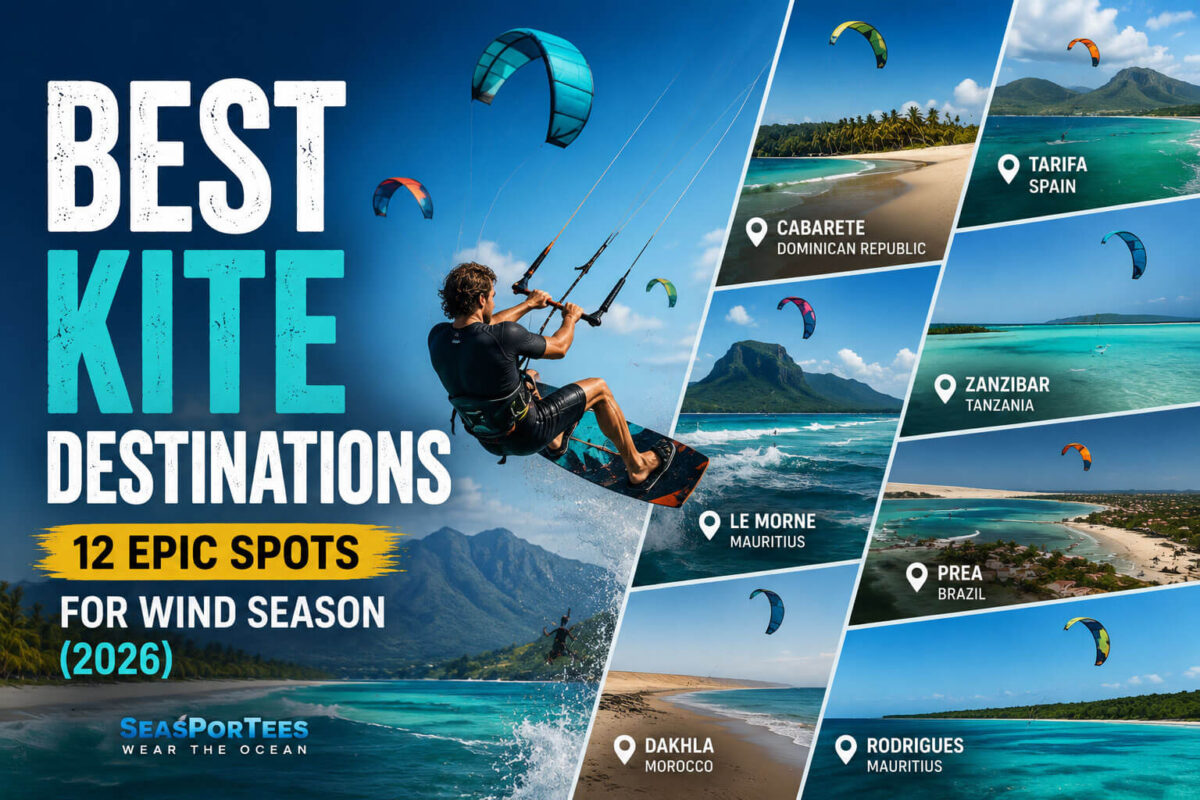
Best Kite Destinations: 12 Epic Spots for Wind Season (2026)
Aug
Best Kite Destinations for Wind Season: 12 Epic Spots You Must Ride
Your expert-curated guide to the world’s most reliable, breathtaking, and rider-tested kitesurfing destinations — timed perfectly for peak wind season.
- Why the Right Kite Destination Matters
- Understanding Global Wind Seasons
- Top Destinations Compared
- Safety Rules & Local Regulations
- Planning Your Kite Trip Step by Step
- Essential Gear for Kite Travel
- 12 Best Kite Destinations Worldwide
- Solo Kite Trips vs. Guided Camps
- Conservation & Beach Etiquette
- Frequently Asked Questions
Why Choosing the Best Kite Destinations Changes Everything
There’s a world of difference between kiting at an inconsistent beach break and riding at one of the best kite destinations on earth during peak wind season. When the wind is reliable, the water is flat or perfectly choppy, and the infrastructure supports your sport, every session becomes a revelation. You spend less time waiting on the beach and more time clocking hours on the water — and that’s where real progression happens.
Choosing the right destination isn’t just about wind statistics on paper. The best kite destinations combine consistent thermal or trade wind patterns with accessible launch zones, solid rescue boat coverage, reputable schools, and vibrant rider communities. Factors like water temperature, tidal range, hazards (rocks, currents, sea urchins), and even local hospitality all determine whether your trip is legendary or frustrating.
According to the International Kiteboarding Organization (IKO), the sport has seen a 25% participation increase since 2020, which means prime spots can get crowded. Arriving during the right wind window — and choosing destinations that haven’t become overly saturated — gives you a massive advantage. Timing your travel to coincide with the most favorable months at your chosen spot is the single biggest variable within your control.
Whether you’re an intermediate rider looking to nail your first jumps, or an advanced freerider chasing double-overhead waves, this guide maps the planet’s best kite destinations timed precisely for their wind seasons. Every recommendation is backed by real-world data, local rider reports, and years of kitesurfing editorial coverage. If you’re interested in comparing kiting to other wind sports, explore our breakdown of kitesurfing vs windsurfing.
“The best sessions of your life are waiting at the intersection of reliable wind, warm water, and the courage to book the ticket.”
Understanding Global Wind Seasons for Best Kite Destinations
Trade Winds: The Kiteboarder’s Best Friend
Trade winds are the powerhouse behind most of the world’s best kite destinations. These persistent, predictable wind systems blow from the northeast in the Northern Hemisphere and from the southeast in the Southern Hemisphere, fueled by the Earth’s rotation and differential solar heating. Destinations like Tarifa, Cabarete, and Cape Verde owe their legendary status almost entirely to trade wind reliability. Most trade wind seasons peak between November and April in the Northern Hemisphere tropics, and May through October south of the equator.
What makes trade winds ideal for kitesurfing is their consistency. Unlike storm-driven gusts that spike and die unpredictably, trades ramp up steadily through the morning, peak in the afternoon around 18–25 knots, and taper off at sunset. This pattern lets you plan your day with confidence and choose the correct kite size before you even unpack your gear.
Thermal Winds: Coastal Powerhouses
Thermal winds form when the sun heats land faster than the adjacent ocean, creating a pressure differential that sucks cool marine air inland. Spots like Tarifa (Spain), Leucate (France), and many Brazilian lagoons rely on thermal amplification layered atop synoptic patterns. These thermals are most potent during summer months when solar heating is strongest, typically blowing strongest from noon to late afternoon.
The key to unlocking thermal-driven best kite destinations is understanding that they’re geographically specific. Narrow straits, funnel-shaped valleys, and flat coastal plains dramatically amplify thermals. This is why Tarifa — squeezed between the Atlantic and Mediterranean at the narrowest point of the Strait of Gibraltar — generates wind on days when coastlines 50 kilometers away are dead calm.
Monsoon and Seasonal Shifts
The Indian Ocean monsoon system creates two distinct wind seasons that open up incredible kite destinations at different times of year. The southwest monsoon (June–September) fires up Mauritius, Madagascar’s Sakalava Bay, and Sri Lanka’s Kalpitiya. The northeast monsoon (November–March) lights up Zanzibar, parts of India, and the Maldives. Understanding these seasonal shifts means you can literally chase an endless summer of wind by hopping hemispheres.
For a deeper dive into the equipment that handles these varied conditions, our ultimate windsurfing gear guide covers crossover principles that apply directly to kite travel planning.
Best Kite Destinations Compared: Season, Level & Wind Data
Not all kite destinations are created equal. Some reward beginners with butter-flat lagoons and gentle cross-onshore breezes, while others demand advanced skills with reef breaks, strong currents, and gusty side-offshore conditions. The comparison table below stacks the world’s top spots against each other so you can match your skill level and preferred travel window to the perfect destination.
Pay close attention to the “Wind Reliability” column — a spot with 85%+ wind probability during its peak season means you can confidently book a week and expect five or more solid kiting days. Anything below 70% and you’re rolling the dice, which is fine for a surf-and-kite combo trip but frustrating if kitesurfing is your sole purpose.
| Destination | Peak Wind Season | Avg Wind (kts) | Wind Reliability | Rider Level |
|---|---|---|---|---|
| Tarifa, Spain | June – September | 18–30 | 90% | Intermediate+ |
| Cabarete, Dominican Republic | June – September | 15–25 | 85% | All Levels |
| Dakhla, Morocco | March – October | 20–28 | 92% | All Levels |
| Cumbuco, Brazil | August – December | 18–25 | 95% | All Levels |
| Le Morne, Mauritius | May – November | 15–25 | 80% | Intermediate+ |
Safety Rules & Local Regulations at Best Kite Destinations
Every one of the best kite destinations has its own set of local regulations, launch zone rules, and safety protocols. Ignoring them doesn’t just risk your own safety — it jeopardizes beach access for every kiteboarder who comes after you. Municipal authorities have shut down kite access at formerly world-class spots (like sections of Maui’s north shore) precisely because riders ignored launching rules and endangered swimmers.
Right-of-Way and Launch Etiquette
The universal rule is that the rider on starboard tack (right hand forward) has right of way. When riding among dozens of kiters — common at destinations like Tarifa or Cabarete — this rule isn’t optional; it’s the difference between a fun session and a catastrophic collision. Additionally, always launch and land with a buddy. Self-launching is acceptable only in emergencies or at empty beaches.
Zone Designations and Permits
Many popular best kite destinations now require kite zone registration or permits. Dakhla’s lagoon operators, for example, manage launch zones to prevent overcrowding. In Brazil’s Ceará state, certain beaches restrict kiting near jangada fishing boats. In European destinations like Sicily and Tarifa, seasonal zoning separates swimmers from kiteboarders, and violations carry fines up to €500.
- Always check local kite school notice boards for updated zone maps and daily hazard warnings including jellyfish, strong currents, or restricted military areas.
- Carry a safety knife and helmet at wave-riding destinations like Le Morne and Cape Town where reef encounters and high-speed wipeouts are common.
- Never kite in offshore winds without rescue boat coverage — even experienced riders get dragged out to sea when lines tangle and the safety system fails.
- Respect local fishermen and boat traffic by maintaining a 200-meter buffer from harbors, piers, and moored vessels.
- Purchase comprehensive travel and sport insurance that explicitly covers kitesurfing — standard travel policies almost always exclude it.
Planning Your Kite Trip to the Best Kite Destinations: Step by Step
A poorly planned kite trip can mean arriving during a freak flat spell, paying triple for last-minute accommodation, or discovering your dream spot is a three-hour transfer from the nearest airport. Follow this battle-tested planning framework to maximize your water time and minimize headaches.
Analyze Wind Data for Your Travel Dates
Pull historical wind statistics from Windfinder, Windguru, or iKitesurf for your target destination. Look at the specific weeks you plan to travel, not just the broad seasonal average. A destination with “June–September wind season” might have dramatically different reliability in early June versus late August. Aim for weeks where historical data shows 80%+ days at 15 knots or above.
Book Accommodation Near the Launch Zone
At destinations like Dakhla or Cumbuco, the difference between a hotel at the lagoon versus one 15 minutes inland is enormous. Being within walking distance of the launch means you can check conditions from your balcony, rig quickly when the wind fills in, and avoid packing wet gear into a rental car daily. Kite-specific accommodations often include gear storage, drying racks, and real-time wind station displays in the lobby.
Arrange Gear Transport or Rental
Traveling with a full quiver — two kites, board, harness, wetsuit — adds 23+ kilograms of checked baggage. Many airlines charge €50–€150 per oversized bag each way. Compare this against rental costs at your destination: high-end kite centers in Cabarete and Tarifa offer current-year Duotone, Core, and North kites for €60–€80/day. If renting, confirm your preferred sizes are available and reserve ahead during peak season.
Plan for Low-Wind Backup Activities
Even the windiest destinations have flat days. Destinations that double as adventure travel hubs — like Cape Town (wine tours, Table Mountain), Mauritius (diving, hiking), or the Dominican Republic (surfing, canyoning) — ensure you never waste a travel day. Building in two or three non-kiting activities prevents frustration and makes traveling companions who don’t kite far happier.
Connect with the Local Kite Community Before Arrival
Join destination-specific Facebook groups, Reddit threads, or WhatsApp communities before your trip. Local riders share real-time wind reports, warn about hazards (construction on the beach, jellyfish invasions, broken reef markers), and often organize group sessions or downwinders. This insider intel is worth more than any guidebook and frequently reveals hidden spots that don’t appear on mainstream kite travel websites.
Essential Gear for Traveling to the Best Kite Destinations
Packing smart for a kite trip is an art form. You need enough gear to handle the full wind range at your chosen destination without exceeding airline baggage limits or cramming your rental car to bursting. The gear grid below covers the six essentials every kite traveler must have dialed in before departure. For cross-sport gear comparisons that inform your packing decisions, read our complete windsurfing gear guide.
The 12 Best Kite Destinations for Wind Season Worldwide
After years of editorial research, rider interviews, and personal sessions across four continents, these are the 12 best kite destinations perfectly timed for their respective wind seasons. Each spot delivers reliable wind, world-class riding conditions, and the infrastructure to support a memorable trip. To understand how modern equipment has made these destinations more accessible than ever, explore the evolution of modern kiteboarding.
- Tarifa, Spain (June–September): Europe’s undisputed wind capital sits at the funnel between the Atlantic and Mediterranean. The Levante wind delivers 20–35-knot sessions with metronomic reliability. Experienced riders charge the open-ocean swells at Valdevaqueros, while intermediates find manageable chop at Los Lances. Nightlife, tapas culture, and proximity to Morocco via ferry make Tarifa a complete destination.
- Cabarete, Dominican Republic (June–September): Warm trade winds, affordable living costs, and a legendary kite beach lined with restaurants and bars. The reef-protected zone at Kite Beach suits beginners, while the outside reef offers logo-high waves for advanced riders. Lessons start around $50/hour, and the community vibe is unmatched in the Caribbean.
- Dakhla, Morocco (March–October): A flat-water lagoon in the Saharan coastline with 300+ wind days per year and 92% wind reliability during peak season. Water is waist-deep for hundreds of meters, making Dakhla perhaps the best beginner destination on earth — but the speed strip and open ocean deliver serious thrills for experts.
- Cumbuco, Brazil (August–December): Arguably the planet’s most consistent wind with 95% reliability during peak season. Cumbuco’s wide, sandy beach and steady 20-knot cross-onshore thermals create perfect conditions for freestyle, big air, and downwinders along the dune-fringed coast toward Paracuru. Budget-friendly accommodation and world-class açaí bowls seal the deal.
- Le Morne, Mauritius (May–November): The One Eye wave break is a bucket-list spot for kite-wave riding. Inside the lagoon, flat turquoise water stretches endlessly for freeriding. The southeast trade winds blow 15–25 knots with remarkable consistency, and the backdrop of Le Morne Brabant mountain makes every photo frame-worthy.
- Cape Town, South Africa (November–March): The “Cape Doctor” southeaster blasts 25–40 knots through summer, creating some of the most extreme big-air conditions in the world. Big Bay and Bloubergstrand are the main launch zones with Table Mountain as a cinematic backdrop. Not for beginners — the wind is strong, the water cold, and the currents powerful.
- Fuerteventura, Canary Islands (April–September): Flag Beach and Corralejo’s north shore deliver consistent 20–30-knot winds and waves that range from mellow to intimidating depending on the swell. Year-round mild temperatures (20–26°C air), affordable flights from Europe, and a laidback island vibe make this a perennial favorite.
- Jericoacoara, Brazil (July–December): Known locally as “Jeri,” this remote village is accessible only by 4×4 through sand dunes. The reward? Perfect side-onshore winds, flat-water lagoons nearby (including the fabled Lagoa Azul), and some of the most stunning sunsets on the planet. It’s a kite-obsessed bohemian paradise.
- Sal, Cape Verde (November–May): Cape Verde sits directly in the path of the northeast trade winds blowing off the Sahara. Sal’s Kite Beach (Santa Maria) offers flat water inside the bay and powerful wave riding on the outer reef. Wind averages 22–28 knots during peak season with almost zero rain. It’s pure, raw kitesurfing perfection.
- Hamata, Egypt (March–November): The Red Sea’s southernmost major kite spot delivers warm water (24–29°C), stunning coral reefs visible while you ride, and reliable northerly winds averaging 18–25 knots. Hamata’s wide sandy lagoon is ideal for progression, and there are virtually no crowds compared to El Gouna or Hurghada further north.
- Boracay, Philippines (November–April): Bulabog Beach on Boracay’s eastern shore catches the Amihan trade winds perfectly. Cross-onshore 15–22-knot winds, warm bath-temperature water, and budget-friendly accommodation make this Asia’s most accessible kite destination. The reef-protected shallow area is superb for beginners, while deeper sections outside challenge intermediate riders.
- Perth / Lancelin, Western Australia (October–March): The “Fremantle Doctor” sea breeze pumps 20–30-knot southwesterlies across Perth’s coastline every summer afternoon like clockwork. Lancelin, 90 minutes north, adds a turquoise lagoon and dune backdrop. Australian water safety standards are world-class, and the kite community is welcoming and well-organized.
Solo Kite Trips vs. Guided Kite Camps at Best Kite Destinations
One of the biggest decisions when booking a kite trip is whether to go independent or join an organized camp. Both approaches have distinct advantages, and the right choice depends on your experience level, travel confidence, and goals for the trip. Developing the right mindset for either approach is crucial — our guide on mastering the wind sport mindset applies directly to kite travelers preparing mentally for new challenges.
Maximum flexibility — you choose your launch times, spots, and rest days. Typically 30–50% cheaper than guided camps since you book flights, accommodation, and transport independently. Ideal for experienced riders who know their limits, can self-rescue, and enjoy exploring off-the-beaten-path spots without hand-holding. The downside: no built-in coaching, no pre-arranged rescue boats, and you need to research safety, logistics, and gear transport entirely yourself.
All-inclusive packages handle flights, transfers, accommodation, coaching, equipment, and rescue coverage. Premium camps at destinations like Dakhla and Cumbuco include video analysis, drone footage of your riding, physiotherapy, and yoga sessions. Perfect for intermediate riders seeking structured progression, solo female travelers who value group safety, or anyone visiting a remote destination for the first time. The trade-off: less flexibility, higher cost (€1,200–€3,000/week), and you’re locked into the camp’s schedule.
The best approach for many riders is a hybrid: book your own flights and accommodation near a reputable kite center, then purchase individual coaching sessions or rescue boat access as needed. This gives you the cost savings of solo travel with a safety net when conditions exceed your comfort zone. At destinations with strong currents or offshore wind components — like Cape Town or Sal — having rescue boat backup is non-negotiable regardless of your experience level.
Conservation & Beach Etiquette at Best Kite Destinations
The growth of kitesurfing tourism brings real environmental responsibility. Many of the world’s best kite destinations overlap with ecologically sensitive coastlines — nesting turtle beaches, seagrass meadows, coral reef systems, and migratory bird sanctuaries. As riders, we have a duty to protect the environments that give us these extraordinary sessions.
Environmental Impact and Protection
Kite lines pose a genuine entanglement risk to marine birds, particularly in breeding colonies near coastal lagoons. At Dakhla’s lagoon, flamingo populations share the water with kiters — maintaining a strict 300-meter buffer from roosting areas is both a legal requirement and an ethical imperative. Similarly, in sea turtle nesting zones like parts of Cape Verde and Brazil’s northeastern coast, nocturnal kite storage on the beach can disturb nesting females, and abandoned kite lines have been documented strangling hatchlings.
The World Wildlife Fund’s Oceans Initiative highlights that coastal recreation activities, including kitesurfing, can degrade habitats when participants concentrate in sensitive zones without management. Supporting destinations that actively manage kite zones alongside conservation goals — like Mauritius’s Le Morne Heritage Site management plan — rewards responsible tourism with your travel dollars.
- Never leave broken kite lines on the beach: Discarded Dyneema and Spectra lines persist for decades and entangle wildlife. Carry a line cutter and collect every scrap of line, even tangled remnants from other riders.
- Avoid riding over seagrass beds and coral: Your fin and board can destroy in seconds what takes years to grow. Study satellite imagery of your launch zone to identify reef and seagrass locations before your first session.
- Support reef-safe sunscreen policies: Many best kite destinations are adopting oxybenzone and octinoxate bans. Use mineral-based sunscreens containing zinc oxide or titanium dioxide — they protect both your skin and the marine ecosystem.
- Participate in beach cleanups: Most kite communities organize monthly cleanups. Spending one morning collecting plastic during your trip generates enormous goodwill with locals and tangibly improves the environment you came to enjoy.
- Offset your travel carbon footprint: Long-haul flights to kite destinations carry significant carbon costs. Reputable offset programs through organizations like Gold Standard let you compensate while the industry transitions to lower-emission travel.
The long-term survival of the best kite destinations depends on rider behavior today. Spots that become associated with environmental damage, local conflict, or beach erosion lose municipal support and eventually lose access entirely. By treating every destination as if its future depends on your personal actions — because it does — you ensure that the next generation of riders inherits the same extraordinary conditions that drew you there in the first place.
Frequently Asked Questions About Best Kite Destinations
Related Articles
