


🐋 Ocean & Marine Life
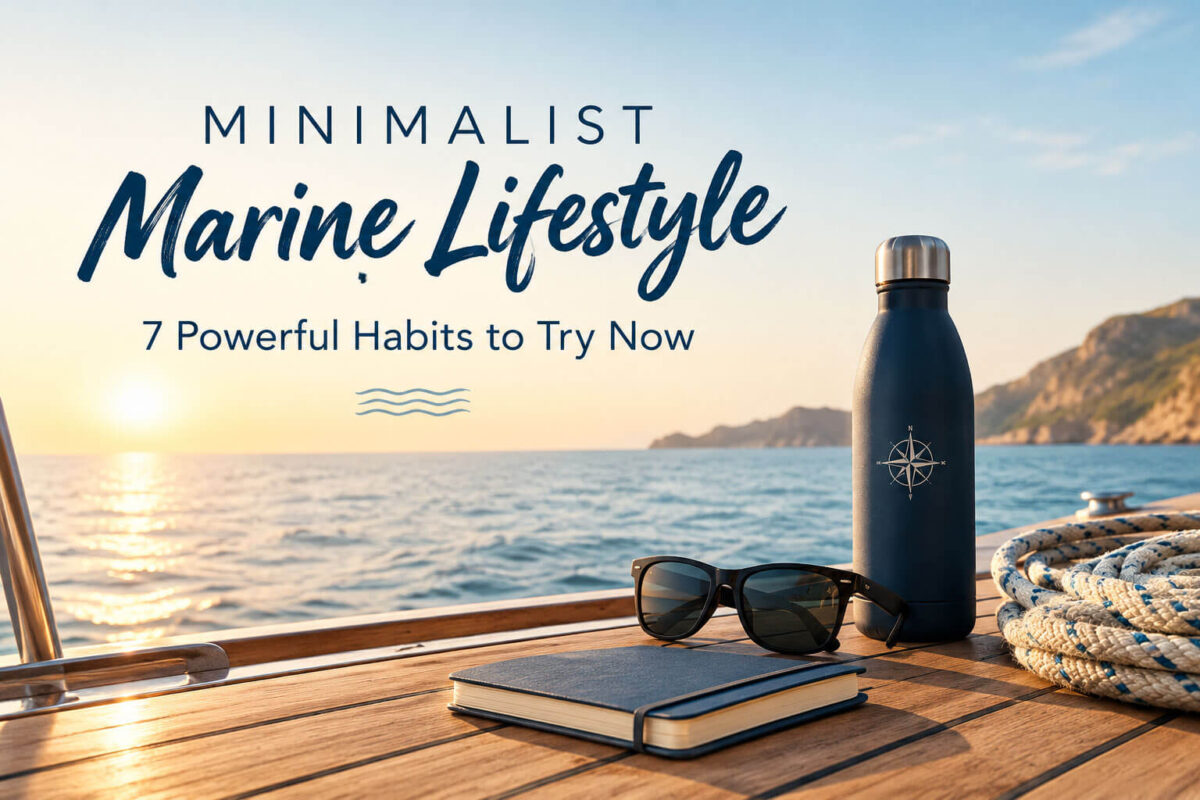
Minimalist Marine Lifestyle: 7 Powerful Habits to Try Now
Oct
Minimalist Marine Lifestyle: The Complete Guide to Simpler Ocean Living
Strip away the clutter, the gear overload, and the excess — and rediscover what it actually means to live close to the sea with less.
- What Is the Minimalist Marine Lifestyle?
- Core Pillars of Minimalist Ocean Living
- The Three Levels of Minimalist Marine Living
- Transitioning Safely Without Losing Function
- Building Your Minimalist Marine Routine
- Essential Minimalist Marine Gear
- Best Places to Practice This Lifestyle
- Minimalist vs. Maximalist Marine Living
- Ethics, Conservation & Deeper Purpose
- Frequently Asked Questions
What Is the Minimalist Marine Lifestyle?
The minimalist marine lifestyle is the practice of simplifying everything you own, buy, and do in relation to the ocean — your gear, your travel habits, your closet, and even your mindset — so that more of your energy and attention can go toward the water itself. It is not about deprivation. It is about removing friction so that surfing, diving, swimming, and simply being near the sea become easier, cheaper, and more frequent parts of your life.
For most people, this lifestyle starts with a simple realization: a garage full of half-used wetsuits, mismatched fins, and forgotten snorkel sets rarely translates into more ocean time. In fact, the opposite is usually true. Gear clutter creates decision fatigue, storage stress, and a surprising amount of guilt every time you open the closet and see equipment you barely touch.
The minimalist marine lifestyle borrows heavily from the broader minimalism movement popularized over the last two decades, but it applies those principles specifically to ocean-based living — beach days, freediving, surfing, sailing, tide-pooling, and coastal travel. According to NOAA’s ocean education resources, proximity and repeated exposure to the coast are strongly linked to long-term environmental stewardship, which is part of why so many minimalists frame this lifestyle as both personal and ecological.
At its core, this is a philosophy of intentionality. You own fewer things, but each item is chosen because it earns its place — multi-use, durable, and genuinely loved. The result is a lighter closet, a lighter carbon footprint, and, for many practitioners, a noticeably lighter mind.
“The ocean doesn’t ask you to bring more. It asks you to show up with less and pay closer attention.”
The Core Pillars of Minimalist Ocean Living
Minimalist marine living rests on a handful of repeatable habits rather than a single dramatic purge. Understanding these pillars makes the lifestyle sustainable long after the initial decluttering buzz fades.
Decluttering Your Gear Closet
The first and most visible pillar is a genuine audit of everything you own for ocean activities. Most people are shocked to discover they have three or four items doing the job that one well-chosen piece could handle. A true minimalist marine closet typically holds a single quality wetsuit, one pair of fins, a reef-safe sunscreen, and a small, versatile rotation of swimwear — not a drawer of half-forgotten accessories.
Mindful Consumption at the Shoreline
The second pillar extends beyond gear into everyday purchasing habits. Minimalist ocean lovers tend to buy less, buy better, and buy with repairability in mind. This naturally overlaps with sustainability, since fewer purchases mean less manufacturing waste and fewer items destined for landfill — a connection well documented by organizations like the Ocean Conservancy.
Time Over Things: Prioritizing Ocean Moments
The final pillar is a mindset shift: valuing hours in the water over hours spent researching, buying, organizing, or maintaining gear. Practitioners of the minimalist marine lifestyle often report that once their kit is simplified, they spend noticeably less time “getting ready” for the beach and far more time actually in it.
Key takeaway: Minimalist marine living isn’t one big purge — it’s three ongoing habits working together: a leaner gear closet, slower consumption, and a conscious choice to prioritize ocean time over ocean stuff.
The Three Levels of Minimalist Marine Living
Not everyone needs — or wants — to go to the same extreme. The minimalist marine lifestyle exists on a spectrum, and understanding where you naturally fit helps you set realistic goals instead of chasing an all-or-nothing ideal.
The table below breaks down five common approaches, ranging from a light first pass at decluttering to a near-total lifestyle built around ocean essentials only.
| Approach | Focus | Typical Gear Count | Commitment |
|---|---|---|---|
| Beginner Minimalist | Trimming obvious excess and duplicates | 25–35 items | Light |
| Intentional Minimalist | Curated, capsule-style gear wardrobe | 15–25 items | Moderate |
| Essentialist | One-quiver, multi-use gear only | 8–15 items | Committed |
| Ultralight Waterman/Waterwoman | Travel-ready, pack-light philosophy | 5–10 items | Advanced |
| Full Minimalist Immersion | Life built entirely around near-zero ocean essentials | Under 5 items | Expert |
Where to start: Most beginners find the most lasting success landing somewhere between “Beginner Minimalist” and “Intentional Minimalist” rather than jumping straight to ultralight living.
How to Transition Safely Without Losing Function
The biggest mistake newcomers make is treating minimalism as a race to own as little as possible. Done carelessly, this can leave you underprepared for changing conditions, cold water, or emergencies — all of which matter far more in the ocean than on land.
Know Your Non-Negotiables
Before you remove anything from your gear closet, identify the handful of items tied directly to your safety: a properly fitted wetsuit for your local water temperature, a reliable leash or tether where relevant, and any item required by local regulations such as a dive flag or personal flotation device. These stay regardless of how aggressively you simplify everything else.
Avoid the “Minimalist Guilt” Trap
Some practitioners swing too far and feel guilty buying anything new, even when a genuine need arises. A healthy minimalist marine lifestyle still allows for replacing worn gear or adding a single well-researched item — the goal is intentionality, not restriction for its own sake.
- Prioritize safety gear first: never cut corners on anything related to buoyancy, visibility, or thermal protection.
- Replace, don’t duplicate: when a wetsuit wears out, replace it rather than adding a backup you rarely use.
- Test before you commit: rent or borrow gear before buying your “forever” version of fins, boards, or dive equipment.
- Reassess seasonally: conditions change, and so should your kit — minimalism is a practice, not a one-time event.
Safety first: Minimalism should never mean under-equipped. The goal is fewer, better items — not fewer safety margins.
Building Your Minimalist Marine Routine in 5 Steps
Audit Your Current Gear
Lay out every single item you own for ocean activities. Separate it into three piles: used regularly, used occasionally, and untouched in the last year. This single exercise usually eliminates 30–40% of a typical gear closet immediately.
Define Your Core Ocean Activities
Be honest about what you actually do — swimming, light snorkeling, surfing, freediving — rather than what you aspire to do. Your kit should match your real habits, not an idealized version of your ocean life.
Build a Capsule Kit
Select multi-use, high-quality items that cover 90% of your activities. A single well-fitted wetsuit, one reliable pair of fins, and a packable towel will outperform a drawer of mismatched extras.
Establish Maintenance Rituals
Rinse, dry, and store gear properly after every use. Fewer items means each one needs to last longer, so a five-minute rinse routine becomes part of the lifestyle rather than an afterthought.
Review Quarterly
Every three months, revisit your kit. Donate or repair anything that no longer serves you, and resist the urge to replace it with something new unless it’s genuinely necessary.
Essential Minimalist Marine Gear
A well-built minimalist marine kit relies on versatility. Here are six category staples that consistently show up across beginner and advanced minimalist setups alike.
One mineral-based, reef-safe formula covers sun protection without contributing to coral stress, replacing shelves of mismatched bottles.
A single long-sleeve rash guard handles sun protection, mild thermal regulation, and reduces how often you need a full wetsuit.
A compact, corrosion-resistant blade doubles as a safety tool and a line cutter, replacing several single-purpose gadgets.
Compresses to a fraction of the size of a standard beach towel and dries in minutes, making it a staple of ultralight ocean travel.
Eliminates single-use plastic at the beach while keeping you hydrated through long sessions in the sun and salt.
Choosing a single board shape or fin style suited to your most common conditions removes the need for a crowded quiver.
Pro tip: Before buying anything new, ask whether it replaces two or more existing items. If it doesn’t, it probably doesn’t belong in a minimalist kit.
Best Places to Practice the Minimalist Marine Lifestyle
Certain coastal destinations naturally support simpler, slower ocean living thanks to their infrastructure, water quality, and community culture.
- Azores, Portugal: Volcanic coastlines, clean water, and a strong freediving and whale-watching culture make minimal gear setups easy to maintain year-round.
- Gili Islands, Indonesia: No motorized vehicles and a tight-knit diving community make it one of the simplest places on earth to live an ocean-first, low-possession lifestyle.
- Baja California Sur, Mexico: Warm water year-round reduces the need for thick wetsuits, lowering the barrier to a truly minimalist gear closet.
- Cornwall, England: A thriving minimalist surf culture has emerged here, with local shapers and secondhand gear economies supporting a buy-less mindset.
- Byron Bay, Australia: Known for its sustainability-focused surf community, Byron Bay makes it easy to find repair shops, gear swaps, and reef-safe products.
- Okinawa, Japan: Crystal-clear reef systems and a strong cultural respect for the sea encourage visitors and locals alike toward lighter, more intentional ocean habits.
Top pick: For most newcomers, Baja California Sur offers the gentlest entry point — warm water, minimal gear requirements, and a forgiving learning curve.
Minimalist vs. Maximalist Marine Living — Which Fits You?
Fewer, multi-use items chosen deliberately. Lower cost over time, less storage needed, and a strong emphasis on maintenance over accumulation. Best suited to people who travel often or value simplicity over variety.
A larger, specialized collection with dedicated gear for every condition and activity. Offers more flexibility for serious hobbyists who dive, surf, sail, and fish regularly, at the cost of more storage, spending, and upkeep.
Neither approach is objectively correct — the right fit depends on how often you’re in the water, how many disciplines you practice, and how much you value simplicity versus specialization. Many lifelong ocean lovers land somewhere in between, maintaining a lean core kit supplemented by a small number of specialty items for their primary activity.
Ethics, Conservation, and the Deeper Purpose of Going Minimalist
For many practitioners, the minimalist marine lifestyle is inseparable from ocean conservation. Buying less gear, choosing durable products, and avoiding disposable items directly reduces the volume of plastic and synthetic waste entering coastal ecosystems.
Less Gear Means Less Plastic Footprint
Wetsuits, fins, and plastic-based accessories are petroleum-derived products with significant manufacturing footprints. The UN Environment Programme has repeatedly highlighted overconsumption of synthetic goods as a driver of marine plastic pollution — a problem minimalist consumption habits directly address by simply buying, and discarding, less.
Supporting Brands That Align With Ocean Values
When a purchase is necessary, minimalist ocean lovers tend to favor brands built around durability, repairability, and ocean advocacy rather than fast fashion-style turnover. Supporting organizations like the Surfrider Foundation alongside thoughtful gear choices reinforces the same values this lifestyle is built on.
- Choose quality over quantity: one durable wetsuit outlasts three cheap ones and reduces total waste.
- Repair before replacing: most gear failures are fixable with basic patch kits or a local repair shop.
- Buy secondhand when possible: gear swaps and resale markets extend the life of existing products.
- Support reef-safe, low-impact brands: ingredient and material choices matter as much as quantity.
Did you know? Studies cited by the Ocean Conservancy estimate that reducing personal consumer waste by even modest amounts can meaningfully lower an individual’s contribution to marine debris over a lifetime.
Ultimately, minimalist marine living reframes the relationship between people and the ocean — not as consumers equipping themselves for an activity, but as participants in an ecosystem they’re actively trying to protect.
Frequently Asked Questions
Related articles
