


☀️ Beach & Summer Vibes
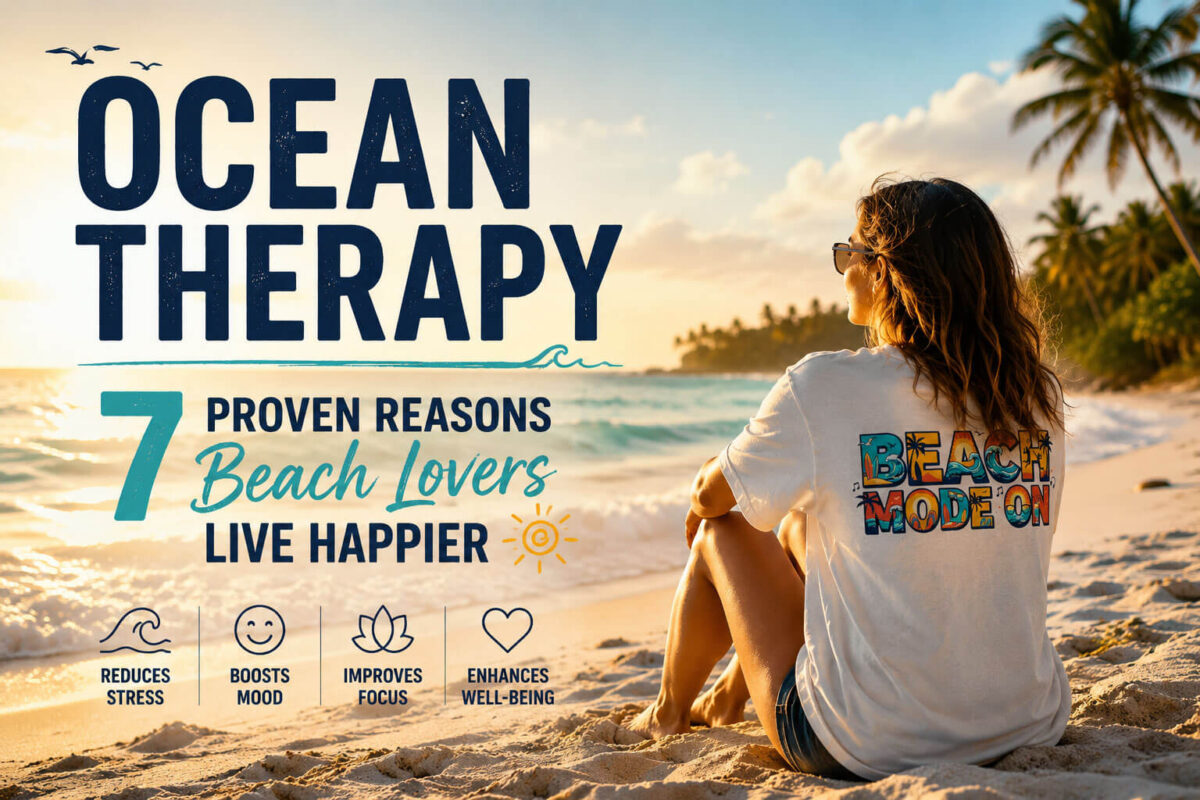
Ocean Therapy: 7 Proven Reasons Beach Lovers Live Happier
Jul
Why Beach Lovers Live Happier: The Science Behind Ocean Therapy
From lower cortisol to better sleep, ocean therapy is backed by real neuroscience — here’s why the people who live for the tide tend to live happier, calmer lives.
What’s in this guide
Why Ocean Therapy Makes Beach Lovers Genuinely Happier
Ask anyone who grew up near the coast why they can’t imagine living far from water, and you’ll rarely get a scientific answer — just a shrug and “it just feels right.” That instinct, it turns out, is backed by decades of research now loosely grouped under the term ocean therapy: the measurable psychological and physiological benefits of proximity to, immersion in, or even the mere sight and sound of open water.
Marine biologist Dr. Wallace J. Nichols popularized the concept of “blue mind” — a mildly meditative state our brains slip into near water, marked by reduced stress hormones, slower heart rate, and increased creativity. It’s the neurological explanation for why a walk along the shore feels different from a walk through a parking lot, even when both involve the exact same amount of physical movement.
This isn’t just anecdotal wellness marketing. Peer-reviewed studies published through institutions like the National Institutes of Health have linked “blue space” exposure to reduced anxiety, improved mood regulation, and better long-term mental health outcomes compared to green space or urban environments alone. Coastal communities consistently self-report higher life satisfaction scores, a pattern researchers have observed across multiple countries and income levels.
If you’ve ever wondered why your best ideas show up during a daily dose of beach time, the science says it’s not a coincidence — it’s biology responding to an environment it evolved to find safe, restorative, and quietly stimulating all at once.
“The ocean is the original therapist — it asks nothing of you but your attention, and gives back more calm than most people know how to hold onto.”
The Science Behind Ocean Therapy and the Blue Mind Effect
Understanding why ocean therapy works requires looking at three overlapping systems: brain chemistry, sensory input, and the physical composition of the coastal environment itself. None of these operate in isolation — together they create what researchers describe as a uniquely restorative sensory package.
The Blue Mind Theory Explained
Blue mind theory proposes that the visual repetition, color palette, and gentle unpredictability of moving water trigger a mild meditative state without requiring any conscious effort. Unlike scrolling a phone or watching television, ocean-gazing engages what psychologists call “soft fascination” — attention that is held but not demanded, which allows the brain’s default mode network to rest and recover.
Negative Ions and Mood Chemistry
Crashing waves generate negative ions at significantly higher concentrations than inland air. Some research suggests these ions may influence serotonin regulation in the same pathways targeted by certain mood treatments, though scientists caution this area still needs more controlled studies. What is well established is that sea air measurably differs in composition from urban or indoor air, and many beachgoers report an almost immediate sense of mental clarity within minutes of arrival.
Sound Waves and the Nervous System
Wave sound sits in a low, irregular frequency range that the human nervous system interprets as non-threatening white noise. Studies on sound and stress, including work referenced by the American Psychological Association, show that this type of ambient natural sound can lower heart rate variability stress markers faster than silence or artificial white noise machines.
Comparing Types of Ocean Therapy Practices
Not every form of ocean therapy delivers the same benefit, and the right approach often depends on how much time and energy you have available. Below is a comparison of five common practices, ranked by their typical wellness impact and ideal session length.
| Practice | Ocean Therapy Benefit | Ideal Duration | Best For |
|---|---|---|---|
| Barefoot Beach Walking | High | 20–30 min | Stress relief for beginners |
| Cold Water Immersion | Moderate | 2–5 min | Energy and mental focus |
| Recreational Swimming | High | 30–45 min | Full-body physical reset |
| Guided Beach Meditation | High | 15–20 min | Anxiety and racing thoughts |
| Surfing or Bodyboarding | Moderate | 45–60 min | Confidence and flow state |
How Ocean Therapy Works on Your Brain and Body
The Nervous System Response
Exposure to open water activates the parasympathetic nervous system — the “rest and digest” counterpart to fight-or-flight. Within minutes of sitting near the shoreline, heart rate typically slows, breathing deepens, and blood pressure edges downward, creating measurable physiological calm rather than just a subjective feeling of relaxation.
Vitamin D, Sunlight, and Serotonin
Beach time naturally pairs ocean exposure with sunlight, and sunlight exposure triggers vitamin D synthesis, which plays a documented role in serotonin production. According to guidance from Harvard Health, adequate vitamin D levels are associated with lower rates of depressive symptoms, making beach visits a rare activity that stacks multiple mood-supporting mechanisms at once.
- Lower cortisol levels: Regular ocean exposure has been linked to reduced baseline stress hormone concentrations over time.
- Increased serotonin production: Sunlight and physical movement near water both support natural serotonin synthesis.
- Improved sleep quality: Coastal air and physical activity combine to support deeper, more consistent sleep cycles.
- Enhanced immune function: Some research associates regular sea exposure with improved white blood cell activity.
- Better cardiovascular markers: Lower resting heart rate and blood pressure are commonly reported among frequent beachgoers.
How to Start Your Own Ocean Therapy Routine
Choose Your Beach Time Wisely
Early morning and late afternoon sessions avoid crowds and harsh midday sun, giving your nervous system a quieter sensory environment to settle into.
Start With Barefoot Walking
Walking barefoot on wet sand engages sensory nerve endings in the feet while offering gentle, low-impact movement that’s accessible to nearly everyone.
Practice Breath-Synced Wave Watching
Sit facing the water and match your inhale and exhale to the rhythm of incoming waves for five minutes — a simple technique that quickly shifts your body toward its calmer state.
Add Cold Water Exposure Gradually
Once you’re comfortable, wade in to knee or waist depth for two to three minutes. Cold shock triggers alertness hormones that many people describe as an immediate energy and mood lift.
Build a Weekly Ocean Ritual
Consistency matters more than duration. Scheduling even two 20-minute sessions per week compounds the physiological benefits far more than one long, occasional visit.
Essential Gear for Your Ocean Therapy Sessions
You don’t need much to practice ocean therapy, but a few well-chosen items make sessions more comfortable and let you stay out longer without discomfort cutting the experience short.
Best Beach Destinations for Ocean Therapy
While any coastline can deliver ocean therapy benefits, certain destinations are especially well suited thanks to calmer water, cleaner air quality, and fewer crowds during off-peak hours.
- Tulum, Mexico: Calm turquoise water and low development density make early mornings here exceptionally quiet and restorative.
- Byron Bay, Australia: A wellness-focused coastal town with consistently clean air and a strong culture around sunrise beach rituals.
- Big Sur, California: Dramatic cliffside views combine ocean sound with forest air for a layered sensory experience.
- The Algarve, Portugal: Sheltered coves create unusually calm water, ideal for beginners easing into cold water immersion.
- Zanzibar, Tanzania: Warm, shallow water and minimal wave intensity make it especially gentle for extended barefoot walking sessions.
- Gold Coast, Australia: Long, wide beaches allow for uninterrupted walking meditation without navigating crowds.
Solo Ocean Therapy vs. Guided Ocean Therapy Sessions
Solo sessions offer complete flexibility over timing, pace, and duration. They work best for people who already have some meditation or mindfulness experience and prefer unstructured reflection near the water without outside direction.
Guided sessions, led by wellness instructors or breathwork coaches, provide structure and accountability. They’re especially useful for beginners who find it hard to quiet their mind without prompts, or anyone managing anxiety who benefits from a calming external voice.
Neither approach is objectively superior — many long-term practitioners alternate between the two, using guided sessions to learn technique and solo sessions to build an independent, sustainable habit over time.
Protecting the Ocean That Heals Us
Why Conservation and Wellness Are Linked
It’s difficult to separate the benefits of ocean therapy from the health of the ocean itself. Polluted water, degraded reefs, and declining marine biodiversity don’t just harm ecosystems — they directly reduce the sensory and psychological quality of the coastal spaces people rely on for their own wellbeing.
Simple Sustainable Beach Habits
The good news is that protecting these environments doesn’t require major lifestyle overhauls, just consistent small choices every time you visit the shore.
- Pack out everything you bring: Even biodegradable items can take months to break down in marine conditions.
- Choose reef-safe products: Many common sunscreen chemicals are directly linked to coral bleaching.
- Respect marine wildlife distance: Understanding species like sharks, rather than fearing them, supports healthier ecosystems — learn more in our guide on why sharks matter to the ocean.
- Reduce single-use plastic: Plastic waste is now documented throughout the marine food chain, as detailed in our breakdown of microplastic pollution in the food chain.
Every mindful choice at the shoreline is, in a small way, an investment in the very environment responsible for the calm you’re there to find.
Frequently Asked Questions About Ocean Therapy
What exactly is ocean therapy?
Ocean therapy refers to the measurable psychological and physical benefits people experience from exposure to open water, including reduced stress hormones, improved mood, and better sleep. It isn’t a formal medical treatment but rather a documented pattern of wellness outcomes linked to coastal environments, sea air, and the sensory qualities of moving water.
How long do you need to spend at the beach to feel the benefits?
Research suggests measurable calming effects can begin within 15 to 20 minutes of exposure to a coastal environment. Longer sessions of 30 to 45 minutes tend to produce more lasting mood and stress benefits, but even short visits appear to shift nervous system activity toward a more relaxed state.
Do you have to swim to benefit from ocean therapy?
No, swimming is not required. Simply sitting near the shoreline, walking barefoot on the sand, or watching and listening to the waves can activate many of the same calming physiological responses associated with full ocean immersion.
Is cold water immersion necessary for ocean therapy to work?
Cold water immersion is one specific technique within ocean therapy, valued for its energizing effect, but it’s not required for benefit. Gentle practices like barefoot walking or guided meditation near the water deliver strong calming effects without any cold exposure at all.
Why do people who live near the ocean report being happier?
Coastal residents benefit from frequent, low-effort exposure to blue space, which research links to reduced chronic stress and improved long-term mood regulation. Regular access likely compounds these benefits over years, unlike occasional vacation visits.
Can ocean therapy help with anxiety and depression?
While ocean therapy is not a substitute for professional mental health treatment, multiple studies associate regular blue space exposure with reduced anxiety symptoms and improved mood. Many therapists now recommend it as a complementary practice alongside traditional care, particularly for people who respond well to nature-based interventions.
Related articles
