


☀️ Beach & Summer Vibes
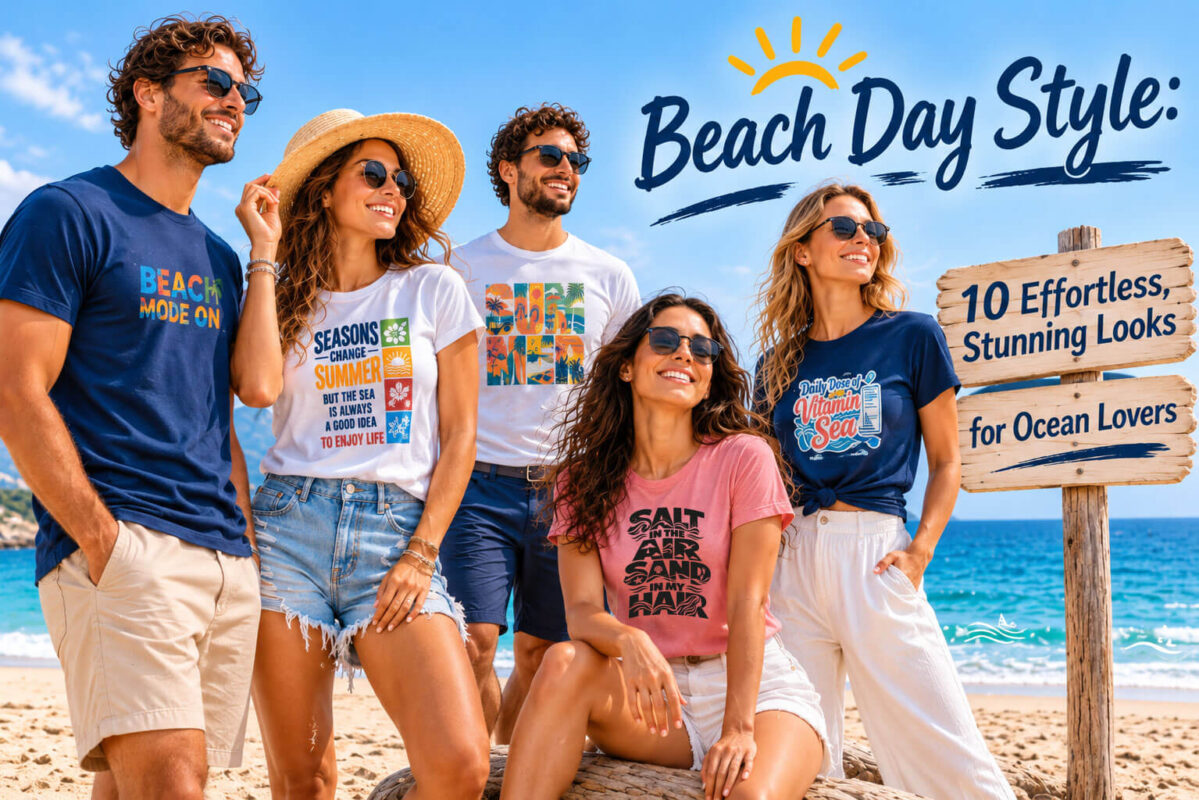
Beach Day Style: 10 Effortless, Stunning Looks for Ocean Lovers
Nov
Beach Day Style for Ocean Lovers: 10 Effortless Looks That Last All Day
What Beach Day Style Really Means for Ocean Lovers
Beach day style is the art of dressing for a full day beside the water without sacrificing comfort, protection or personality. It sits between a swimsuit and a street outfit, and it has to work from a sunrise walk to a sunset dinner. For ocean lovers, it is also a quiet way to show where your heart lives.
The best beach day style starts with function. Salt air, strong sun, shifting wind and sand in every seam are real conditions, and your clothes either help or fight you. When your outfit handles those conditions, you stop thinking about it and start enjoying the shoreline.
Style still matters, and it is easier than most people think. A soft tee, a pair of relaxed shorts, a wide-brim hat and a roomy tote cover about ninety percent of what a good beach day requires. The rest is color, proportion and a few thoughtful details.
The most stylish person on the beach is rarely the most dressed up. It is the one who looks completely at ease in the salt air.
Climate also shapes what looks right. A humid tropical shoreline calls for airy layers, while a foggy northern coast rewards a cozy cotton layer and a windbreaker. Even the scent of the shore changes how long people linger, as we explain in our piece on why coastal air smells so salty.
This guide breaks beach day style into practical, repeatable decisions: fabrics, fit, sun safety, outfit formulas, gear and settings. By the end, you will know how to pack once and dress well for whatever the tide brings.
Building Beach Day Style From the Fabric Up
Every good beach outfit begins with the material against your skin. Fabric decides how you feel at noon, how you look after a swim and how your clothes age after a summer of salt. Get the foundation right and the rest of your beach day style falls into place.
Choose Breathable Fabrics for Beach Day Style
Lightweight cotton, linen and moisture-wicking blends let heat and humidity escape instead of trapping them against your body. Tightly woven fabrics also tend to block more sunlight than loose, sheer knits. If you can see strongly through a fabric when you hold it up to the light, it will offer less sun protection.
Soft jersey cotton is the classic choice for a coastal tee because it feels familiar and relaxed. For hotter days, a cotton-linen blend or a quick-dry synthetic keeps you cooler and dries faster after a splash.
Pick a Color Palette Borrowed From the Coast
The easiest way to get cohesive beach day style is to borrow from the landscape: sea-glass green, deep navy, sandy neutrals, driftwood gray and crisp white. These shades pair easily, photograph beautifully against water and rarely clash with a swimsuit. Light colors reflect heat, which makes them comfortable in strong sun.
Bold accents work best in small doses. A coral hat, a sunset-orange towel or a single graphic tee adds personality while the neutral base keeps everything calm.
Get the Fit and Layering Right
A relaxed, slightly oversized fit allows airflow and keeps fabric from clinging when you are damp and sunburned. Think a loose tee with cropped or knee-length shorts, or a flowing cover-up over a swimsuit. Avoid anything so tight that sand chafes or sweat has nowhere to go.
Layers are your temperature control. A light shirt or overshirt for midday sun, a hoodie for the breezy evening and a packable windbreaker for unpredictable weather give you range without bulk.
Quick takeaway: Start with breathable fabric, a coastal color palette and a relaxed fit. Those three choices create reliable beach day style before you add a single accessory.
Beach Day Style Fabrics Compared
Not every fabric deserves a spot in your beach bag. The table below compares five popular materials on what they do best, how they behave in heat and water and how well they suit a full beach day.
Keep in mind that weave density, color and fit affect sun protection as much as the fiber itself. Wet or stretched fabric can let more ultraviolet light through, so a dry, snug-but-not-tight garment performs better than a soaked, stretched one.
| Fabric | Best for | How it behaves at the beach | Beach rating |
|---|---|---|---|
| Cotton jersey | Everyday tees, boardwalk strolls, post-swim comfort | Soft and breathable, but slow to dry once soaked | Great |
| Linen and linen blends | Hot, humid days, cover-ups and button-ups | Highly breathable and quick to dry, though it wrinkles easily | Great |
| Recycled performance synthetics | Surfing, paddling, hiking along the shore | Wicks sweat, dries fast and is often UPF-rated, but can hold odor | Excellent |
| Bamboo viscose | Silky layering pieces and travel-friendly tops | Smooth and absorbent, but may stretch and cling when wet | Situational |
| Heavy denim or fleece | Cool evenings and bonfires only | Warm and cozy, but heavy, slow to dry and magnetic for sand | Evenings only |
For most ocean lovers, a mix works best: cotton or linen for lounging, a performance layer for active time on the water and one cozy piece for after dark. That combination covers nearly every beach day style scenario.
Good to know: A UPF rating measures how much ultraviolet radiation passes through fabric. A UPF 50+ garment blocks roughly 98 percent of UV rays, which is far more than an ordinary summer tee provides.
Sun, Heat and Comfort Rules for Smart Beach Day Style
Looking good at the beach is pointless if you are sunburned, overheated or exhausted by mid-afternoon. Smart beach day style treats clothing as your first layer of protection, with sunscreen and shade filling the gaps.
Dress for UV, Not Just for Looks
Sunlight reflects off water and sand, which can increase your exposure compared with a shaded city sidewalk. The U.S. EPA offers clear guidance on sun safety, including seeking shade, wearing protective clothing and checking the UV Index before you head out. The Skin Cancer Foundation also explains how sun protection habits reduce risk over a lifetime.
In practice, that means a hat with a real brim, sunglasses with UV protection and a shirt over your swimsuit during peak hours. Good beach day style quietly builds these habits into the outfit itself.
Manage Heat, Hydration and Sand
Heat builds faster than most people realize when you are lying in the sun or walking on soft sand. Light colors, loose fits and shade breaks keep your body temperature manageable, while water and snacks keep your energy steady. Clothes that shed sand easily, such as smooth cotton or nylon, are far more pleasant than fuzzy or heavily textured fabrics.
- Cover up at midday: The sun is typically strongest in the middle of the day, so wear a loose long-sleeve layer or tee over your swimsuit during those hours.
- Reapply sunscreen on schedule: Reapply at least every two hours, and more often after swimming or sweating, even on days that feel cloudy.
- Protect your head, eyes and lips: A wide-brim hat, UV-blocking sunglasses and SPF lip balm cover the spots people forget most often.
- Change out of wet clothes: Damp fabric loses warmth quickly in wind and can cause chafing, so keep a dry tee in your bag.
- Choose footwear for the surface: Hot sand and rocky shorelines call for sandals or water shoes with grip, not thin flip-flops.
Safety note: If you feel dizzy, nauseous or unusually tired, move into shade and drink water right away. Heat illness can develop quickly at the beach, especially for children and older adults.
How to Build Your Beach Day Style in 6 Steps
Effortless beach day style is rarely accidental. A simple, repeatable process takes the guesswork out of packing and helps you look pulled together in about five minutes.
Check the forecast and the UV Index
Look at temperature, wind, humidity and UV before you choose anything. A breezy 70-degree day needs a very different outfit than a still, humid 90-degree one.
Start with a swimsuit you trust
Wear a suit that supports your activity, whether that is swimming, paddling or sunbathing. Everything else you pack should layer comfortably over it.
Add a signature top
Choose a breathable tee, shirt or cover-up as the center of your look. A well-made graphic tee is the easiest way to add personality, and our guide to 12 ways to style a coastal graphic tee year-round shows how far one piece can stretch.
Pick relaxed bottoms
Quick-dry shorts, a linen wrap skirt or lightweight drawstring pants all work well. Choose something that moves with you and does not cling when damp.
Layer for sun and evening wind
Pack one light layer for sun protection and one warmer layer for after sunset. Together they let you extend the day without scrambling for clothes.
Finish with function-first accessories
Add a hat, sunglasses, a tote and sandals that suit the terrain. Keep jewelry minimal, since salt water and sand are hard on delicate pieces.
Beach Bag Essentials That Complete Your Beach Day Style
The right accessories do more than finish an outfit. They protect you from sun and wind, keep your belongings organized and make long days at the shore far more comfortable.
You do not need a bag overflowing with extras. These six essentials cover protection, hydration, comfort and style for nearly any beach day.
Pro tip: Pack a spare dry tee in a zip bag. Changing out of damp clothes before the wind picks up is the single easiest way to keep a beach day comfortable, and it pairs perfectly with the habits that keep beach days going long after the sun starts to drop.
Beach Day Style by Setting: What to Wear Where
The same outfit will not suit every shoreline. Climate, activity and local culture all shape what feels right, so adjusting your beach day style to the setting makes you more comfortable and more at home.
- Surf town boardwalk: Think relaxed graphic tee, quick-dry shorts, sturdy sandals and a cap. You will walk, eat, browse and maybe paddle, so comfort and easy movement come first.
- Tropical resort beach: Choose airy linen, light colors and a wide-brim hat. Strong equatorial sun and humidity reward loose fits and frequent shade breaks.
- Cold-water coast such as the Pacific Northwest: Layers matter more than swimwear. Pack a cotton tee, a warm hoodie and a windproof shell, because fog and wind can drop the temperature quickly.
- Boat or sailing day: Choose non-marking, grippy deck shoes, a quick-dry layer and a hat with a chin strap. Sun reflects off the water from below, so UPF clothing is especially valuable.
- Sunrise or sunset bonfire: Start with a tee and finish in a cozy sweatshirt and long pants. Sand cools fast after dark, so bring something warm you do not mind getting smoky.
- Family beach day: Prioritize durable, machine-washable pieces and sun-protective layers for everyone. Matching coastal tees also make it easy to spot your group in a crowd.
- Snorkel or dive excursion: A rash guard or UPF swim shirt protects your back while you float face-down, and it reduces how much sunscreen washes into the water.
Top recommendation: If you only build one outfit, make it the surf town boardwalk look. A breathable tee, quick-dry shorts, sandals and a cap handle swimming, walking, lunch and golden hour, and it is the most versatile foundation for any coastal trip.
Active vs. Lounge: Two Approaches to Beach Day Style
Most beach days fall into one of two moods: you are either in constant motion or settled into a chair with a book. Each calls for a different take on beach day style, and knowing which you are planning saves a lot of packing.
Most ocean lovers blend both. Wear the lounge base, then pack one performance layer for a spontaneous swim or paddle, and you will be ready whichever way the day turns. The goal of beach day style is flexibility, not a rigid uniform.
Sustainable Beach Day Style and Protecting the Coast
People who love the ocean usually want their wardrobe to respect it. Sustainable beach day style is less about perfection and more about making a few smart choices that reduce harm to the places you visit.
Choose Pieces Built to Last
The most sustainable garment is the one you wear for years. Durable stitching, quality fabric and timeless designs outlast trend-driven pieces, and they keep waste out of landfills. Washing with cold water and air-drying also helps coastal favorites keep their color and shape.
Protect Reefs and Marine Life While You Look Good
Some chemical sunscreen ingredients have raised concern for coral reefs. NOAA has published a helpful explainer on how sunscreen chemicals affect corals. Wearing UPF clothing and a hat reduces how much sunscreen you need in the first place, which is one more reason sun-protective beach day style is a smart choice.
- Wear more shade, use less lotion: UPF shirts, hats and rash guards cut sunscreen use on your arms, back and shoulders.
- Choose mineral sunscreen when possible: Look for non-nano zinc oxide or titanium dioxide formulas and check local rules, since some destinations restrict certain ingredients.
- Rinse and wash gently: Rinse salty clothes in fresh water and wash in cold cycles with a laundry bag to reduce shedding of synthetic fibers.
- Leave no trace: Pack out every wrapper, bottle and broken flip-flop so nothing ends up in the surf.
- Support ocean-minded brands: Buy from companies that give back to coastal communities and design for longevity rather than disposability.
Key fact: In 2021, Hawaii became the first U.S. state to ban the sale of sunscreens containing oxybenzone and octinoxate, citing concerns for coral reef health. Covering up with clothing is a simple way to stay protected while using less product.
The ocean shapes our style, our moods and our memories. Feeling good in the water is part of that bond, which is why so many people find that time at the shore improves wellbeing, as we explore in our guide to ocean therapy and why beach lovers live happier. Dressing with care is one small way to give something back.
Frequently Asked Questions About Beach Day Style
