



Water Sports & Adventure, Wind Surfing
Mastering the Footstraps: Your Full Guide to Better Control and Speed in Windsurfing
Aug
Mastering the Footstraps: Your Full Guide to Better Control and Speed in Windsurfing
Windsurfing is a unique blend of speed, skill, and the power of the wind. It combines surfing, sailing, and board riding into one exhilarating sport. Whether you’re just starting out or you’re looking to refine your technique, mastering the footstraps is one of the most important skills you can learn. Footstraps provide you with better control over your board, increase your stability, and enable you to ride faster and perform more advanced maneuvers.
In this comprehensive guide, we’ll dive deep into why footstraps are crucial in windsurfing, how to get comfortable using them, and how you can use them to enhance your speed and control on the water.
Why Footstraps Are Essential in Windsurfing
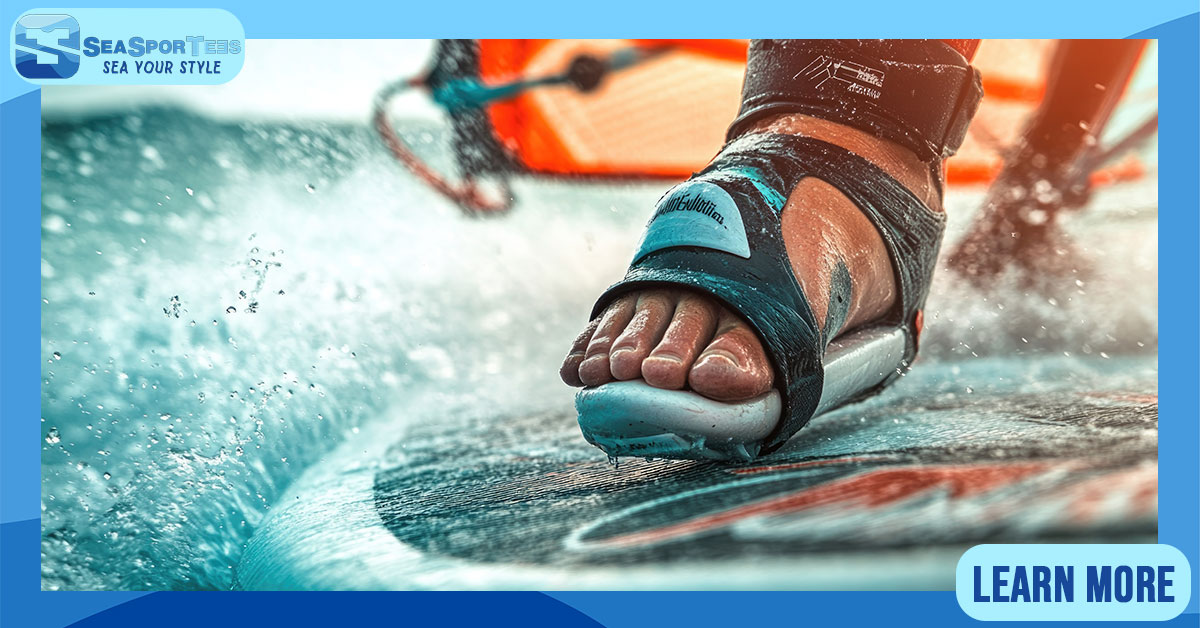
At first glance, footstraps might seem like an afterthought in your windsurfing setup, but they’re actually a critical part of the sport. Footstraps help connect your feet to the board securely, giving you better control, more power, and enhanced performance.
Here are the key benefits of using footstraps in windsurfing:
- Better Control: Footstraps help secure your position on the board, allowing you to control both the direction and speed more effectively.
- Improved Speed: Footstraps give you the ability to exert more pressure on the board, which helps you harness the wind’s power and go faster.
- Enhanced Maneuverability: Once you’re in the footstraps, you have more stability to perform turns, jibes, tacks, and even jumps with greater ease.
- Increased Safety: By keeping your feet securely attached to the board, footstraps reduce the chances of falling off or losing control in challenging conditions.
Mastering the footstraps will help you progress to higher levels of windsurfing, allowing you to enjoy the sport at its full potential.
How to Get Comfortable Using Footstraps
Before diving into high-speed windsurfing or performing advanced maneuvers, it’s important to first get comfortable with using the footstraps. Here’s a step-by-step process to help you learn how to use them effectively:
1. Start in Calm, Flat Water
It’s best to begin practicing footstrap technique in calm, flat water conditions. The smoother the water, the easier it will be to focus on your footstraps without distractions from waves or strong wind gusts.
2. Check the Footstrap Position
Footstraps should be adjustable to fit your feet comfortably. Ensure they are not too tight or too loose. You should be able to slip your feet in easily, but the straps should hold your feet securely when you’re riding.
- Positioning: The footstraps should be placed in a position where your feet comfortably fit, but without being too stretched or too cramped. Your feet should rest comfortably in the straps, and you should be able to get in and out easily without struggling.
- Adjustability: If your footstraps are adjustable, make sure to set them to a width that fits your foot size.
3. Practice Getting In and Out of the Footstraps
When you’re learning to use footstraps, take it slow. Start by getting one foot into the front strap while sailing at a low speed. Practice getting your back foot in and out of the rear strap as well. It might feel awkward at first, but with time, this will become second nature.
- Front Foot First: Begin by getting your front foot into the footstrap. To do this, slightly lift your back foot off the board and position your front foot inside the strap. Make sure the foot is placed correctly and comfortably.
- Rear Foot Next: After your front foot is secure, try placing your rear foot in the second strap while keeping your balance. You may need to practice this several times before you feel fully comfortable.
4. Build Confidence at Slow Speeds
Start practicing at slow speeds. As you gain confidence in getting into the footstraps, gradually increase your speed. Keep your body relaxed and balanced to avoid overcompensating, which can cause you to lose control.
Using Footstraps for Better Control and Speed
Once you’re comfortable getting in and out of the footstraps, the next step is to focus on using them to increase your control and speed. Here’s how footstraps enhance your performance on the water:
1. Center Your Weight
The key to maintaining control in the footstraps is to keep your weight centered over the board. When your feet are locked into the straps, you have the ability to direct the board and manage your speed more effectively.
- Balanced Stance: Stand with your knees slightly bent and your body weight evenly distributed over the board. Keeping your core engaged will help you remain stable.
- Don’t Lean Too Far Forward or Back: Avoid leaning too far forward (which can make you tip) or back (which can cause you to lose speed). Center your weight to maintain optimal balance.
2. Apply Pressure to Gain Speed
One of the major benefits of footstraps is that they allow you to apply more pressure to the board, which in turn helps you accelerate.
- Push with Your Back Foot: When you want to accelerate, use your back foot to push against the board. This helps you gain speed and maintains a smooth ride.
- Use the Sail for Power: Shift your body slightly forward and use the wind’s power in the sail to propel yourself faster. Keep your rear foot engaged to maintain momentum.
3. Master Turning and Steering
Footstraps not only help with speed—they also give you the stability you need for sharp turns, carving, and maneuvering.
- Front Foot Engagement: To initiate turns or carve, press down with the front foot in the strap. This shifts the board and allows you to change direction.
- Use Your Back Foot: Your back foot helps you steer and control your turns. Push down into the back strap to pivot the board in the direction you want.
4. Perform Jumps and Advanced Moves
Once you’re comfortable with footstraps and have mastered speed and turning, you can use them to perform jumps and aerial maneuvers. The footstraps provide the security and stability needed to launch yourself into the air and land safely.
- Launching into Jumps: To jump, bend your knees slightly, apply pressure with your back foot, and use the wind to lift you. Focus on keeping your body centered while you’re airborne and land with your feet still in the footstraps.
- Staying in Control During Jumps: While in the air, keep your core tight and your weight balanced over the board. This will ensure you stay in control and land smoothly.
Additional Tips for Windsurfing with Footstraps
- Practice in Optimal Conditions: Ideal conditions for learning to use footstraps include moderate wind (not too strong or too light) and calm water. These conditions allow you to focus on the basics without distractions.
- Footstrap Adjustment: If you find it difficult to get in and out of the straps, try adjusting the width slightly. A strap that’s too tight or too loose can make it difficult to maneuver.
- Relax and Stay Fluid: Keep your body relaxed and fluid when learning. Tension in your muscles can make it harder to move smoothly and control the board.
- Wear Proper Gear: Make sure you’re wearing the proper windsurfing gear, including shoes that can help you grip the board and a harness to support your body during long sessions.
Final Thoughts: Footstraps Are the Key to Advancing Your Windsurfing
Mastering the footstraps is an essential step for any windsurfer looking to advance their skills. By allowing you to securely attach your feet to the board, footstraps give you better control, speed, and stability on the water. With consistent practice, you’ll soon be able to perform faster, smoother turns, jump higher, and ride with confidence.
While learning to use the footstraps may take some time and patience, the benefits far outweigh the effort. With this guide, we hope you feel better equipped to master the footstraps and take your windsurfing to the next level. So get out there, keep practicing, and enjoy the wind beneath your feet!
